

How Bet Works: A Complete Guide
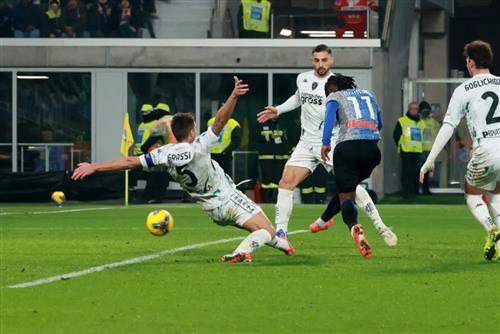
Have you ever wondered how bet works in the exciting world of wagering? Whether you’re a novice curious about placing your first wager or someone looking to deepen your understanding, this guide breaks it down step by step. Betting has evolved from simple games of chance to a sophisticated industry blending strategy, probability, and entertainment. In this article, we’ll explore the fundamentals, mechanics, and best practices to help you navigate how bet works effectively and responsibly.
What is Betting and Its Basic Principles
At its core, betting involves risking money on the outcome of an event with the hope of winning more based on predetermined odds. Understanding how bet works starts with grasping these basics. Betting can apply to sports, casino games, elections, or even weather events. The key principle is that you’re predicting an outcome, and if correct, you receive a payout proportional to the risk.
Types of Bets Explained
There are several types of bets, each with unique rules. A straight bet, for example, is a simple wager on a single outcome, like picking a team to win. Parlays combine multiple bets for higher payouts but increased risk. Prop bets focus on specific aspects, such as a player’s performance in a game. Knowing these variations is essential to understanding how bet works in different contexts.
Betting isn’t just about luck; it involves analyzing data, trends, and statistics. For instance, in sports betting, factors like team form, injuries, and historical matchups play a crucial role.
How Betting Odds Work
Odds are the cornerstone of how bet works, representing the probability of an event and the potential return. They tell you how much you can win relative to your stake. There are three main formats: decimal, fractional, and moneyline.
Understanding Odds Formats
Decimal odds, popular in Europe, show the total payout including your stake (e.g., 2.50 means $2.50 return on a $1 bet). Fractional odds, common in the UK, express the profit relative to the stake (e.g., 3/1 means $3 profit on $1). Moneyline odds, used in the US, indicate favorites and underdogs with negative and positive numbers.
To illustrate, let’s compare these formats in a practical scenario.
| Odds Format | Example | Stake ($10) | Potential Profit | Total Payout |
|---|---|---|---|---|
| Decimal | 2.50 | $10 | $15 | $25 |
| Fractional | 3/2 | $10 | $15 | $25 |
| Moneyline | +150 | $10 | $15 | $25 |
This table demonstrates how different formats yield the same outcome, helping you choose based on preference. Expert tip: Always calculate implied probability from odds to assess value— for decimal odds, it’s 1 divided by the odds.
The Betting Process: Step-by-Step
Now that we’ve covered the basics, let’s dive into how bet works in practice. The process typically involves selecting an event, choosing a bet type, understanding the odds, placing the wager, and awaiting the outcome.
Steps to Place a Bet
- Research the Event: Analyze statistics and expert opinions to make informed predictions.
- Select a Platform: Choose a reputable online or physical venue that offers fair odds and secure transactions.
- Decide on Bet Type and Stake: Based on your analysis, pick your bet and decide how much to risk.
- Confirm and Monitor: Place the bet and follow the event to see if you win.
Practical advice: Start small to learn how bet works without significant risk. Use tools like odds calculators to simulate scenarios. For homeowners interested in casual betting, consider low-stakes options during home game nights to add fun without financial strain.
Considerations include bankroll management—never bet more than you can afford to lose. Benefits of understanding how bet works include enhanced entertainment and potential supplemental income, but always prioritize responsibility.
Tips and Strategies for Successful Betting
To elevate your game, incorporate strategies rooted in expertise. Value betting involves finding odds that underestimate the true probability, offering long-term advantages. Bankroll management ensures sustainability, such as allocating only 1-5% of your total funds per bet.
Expert Insights and Common Pitfalls
As a seasoned expert, I recommend diversifying bets across events to mitigate risks. Avoid emotional betting, like wagering on your favorite team without analysis. One common pitfall is chasing losses, which can lead to poor decisions. Instead, track your bets in a journal to identify patterns and improve.
For those new to how bet works, join communities or forums for shared insights. Remember, betting should enhance enjoyment, not replace income. If exploring options like Nexremodel for home projects, apply similar due diligence—research thoroughly to ensure value.
Actionable tip: Set weekly limits and use self-exclusion tools if needed. Benefits include sharpened analytical skills applicable to other areas, like financial planning for homeowners.
Summary: In conclusion, understanding how bet works involves mastering basics like types of bets, odds formats, and the wagering process. From the comparison of odds in our table to practical tips on responsible strategies, this guide equips you with the knowledge for informed participation. Remember, betting is about fun and strategy—always bet responsibly to enjoy the benefits without the downsides. By following these principles, you can navigate the world of betting with confidence and expertise.
Where to Buy? Who is Playing?
